

Integrated IT Infrastructure in the UAE: Networking, Access Control and Audio Visual Systems
Most businesses don’t run on a single piece of technology. They run on a mix of systems that are supposed to work together but often don’t: a network that carries everything, doors that need to open for the right people and stay shut for everyone else, and meeting rooms that either help a presentation land or quietly sabotage it.
This matters more in the UAE than almost anywhere else right now. Smart offices, connected workplaces, hotels, schools, and large mixed-use developments are being built with technology baked in from day one, not bolted on afterward. So when a company is planning a new office, renovating an old one, or opening a second location, picking the right technology partner isn’t a small decision , it shapes how the building actually functions for years.
Why It’s Worth Thinking About These Systems Together
Here’s a pattern that shows up constantly: a business has fast internet but a flaky internal network. Good camera coverage but an access control system nobody trusts. A meeting room full of expensive screens and speakers that still sounds terrible and confuses everyone who tries to use it.
The equipment usually isn’t the problem. The design is.
A joined-up approach to infrastructure has to account for:
- Network architecture and connectivity
- Structured cabling
- Wireless networking
- Server and communication infrastructure
- Access control and visitor management
- Audio and video distribution
- Meeting room technology and digital displays
- Public address systems
- Security and monitoring
- Room for future growth
None of this is complicated in theory. The goal is just to get different systems talking to each other instead of quietly working against each other.
Building a Network That Actually Holds Up
Everything else depends on the network. Cloud apps, VoIP, video calls, access control readers, IP cameras, Wi-Fi devices, digital signage, it all rides on the same connection, and that connection has to carry more devices every year.
That’s why a business looking for an IT infrastructure and networking solution in the UAE should ask for more than “can you install the internet.” A proper assessment looks at what the company needs now and, just as importantly, what it’ll need in two or three years.
An integrated networking setup typically covers:
- Structured network cabling
- LAN and WAN infrastructure
- Enterprise Wi-Fi
- Switches and routers
- Wireless access points
- Server room infrastructure
- Fibre optic connectivity
- Network racks and patch panels
- IP-based communication systems
- Network security
- Data centre connectivity
- Ongoing network monitoring
Speed gets all the attention, but it’s not really the point. Stability and manageability matter more day to day. A company growing from 50 people to 150 shouldn’t have to rip out its network just because nobody planned for growth the first time around.
Structured Cabling: The Part Nobody Notices Until It Breaks
Cabling is invisible when it’s done right, which is probably why it gets skipped over. But mislabeled cables, runs that are too long, cramped pathways, sloppy terminations , these are the things that turn a five-minute fix into a half-day hunt two years later.
A proper installation should give you:
- Clean cable routing
- Accurate labelling
- The right cable categories for the job
- Fibre where it’s actually needed
- Organised racks and patch panels
- Testing and documentation you can actually refer back to
Tidy cabling isn’t about how the server room looks. It’s about how fast someone can find and fix a problem when something goes wrong at 6pm on a Thursday.
Access Control Has Moved Well Past Keys and Locks
A key that gets copied, lost, or handed to the wrong person doesn’t tell you much. Modern buildings need to know who’s coming in, when, and whether they’re actually supposed to be there , offices, server rooms, warehouses, schools, residential buildings, restricted departments.
What Access Control Systems Supply and Installation Actually Involves
Buying readers and locks is the easy part. Access control systems supply and installation done properly means thinking through the building layout, how people actually move through it, what the security policy demands, and how many more doors might need covering down the line.
Depending on the setting, that might mean:
- Card and RFID readers
- Biometric readers
- PIN-based access
- Mobile credentials
- Door controllers
- Electromagnetic locks and electric strikes
- Exit buttons
- Visitor management
- Access management software
- Integration with other security systems
A server room might warrant biometric authentication. A general office entrance usually doesn’t need to be that strict, a card or a phone is enough. Matching the level of security to the actual risk is most of the job.
Why the Installation Itself Matters So Much
A reader that’s wired wrong or a controller that’s misconfigured isn’t just inconvenient , it can lock the wrong people out or let the wrong people in, and neither is a small problem.
Getting it right means paying attention to:
- Door type and construction
- Power requirements
- Emergency exit rules
- Where the controller actually sits
- Network connectivity
- User permissions
- Backup power
- How it integrates with everything else
- Maintenance access
And then testing it properly , checking that authorised people move through without friction and everyone else genuinely can’t.
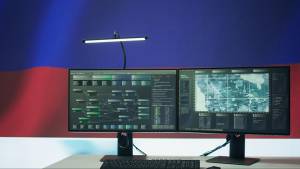
Audio Visual Systems for How Meetings Actually Happen Now
Meetings today rarely involve everyone sitting in the same room. Someone’s dialing in from another office, another city, sometimes another continent, and they expect the video, the audio, and the screen share to just work.
A company looking for an Audio visual system Dubai provider should be thinking about the whole room experience, not shopping for a display and a speaker set and hoping they play nicely together.
What a Proper AV Setup Actually Includes
Depending on the room, an AV installation might involve:
- Professional displays and video walls
- Projectors and screens
- Conference cameras and microphones
- Speakers
- Digital signage
- Video conferencing systems
- Wireless presentation tools
- Control systems
- Public address and background music
- Room scheduling technology
A boardroom, a training room, a classroom, and a retail space all need genuinely different approaches , there’s no single AV package that fits all of them.
Start With the Room, Not the Equipment List
The most common mistake in AV projects is buying the gear first and figuring out the room later. It should go the other way around. Before specifying anything, it’s worth asking:
- How many people will actually use this room?
- What’s the viewing distance from the back seat?
- How much daylight comes through the windows?
- Where will people sit relative to the screen?
- Does this need to support video calls?
- Where should the microphones go so they actually pick up voices?
- What’s going to be displayed most of the time?
- Will sessions need to be recorded or streamed?
- Who’s going to run this system day to day IT, reception, or nobody?
The answers to those questions decide what equipment makes sense. And the best system usually isn’t the most expensive one. It’s the one that works the same way every single time, for whoever walks in and needs to use it.
Where Networking, Security and AV Overlap
A single modern meeting room can depend on all three systems at once: network for the video call, Wi-Fi for people’s laptops and phones, AV for the actual presentation, access control to keep the room secure, and some form of central management tying it together.
Design these separately and you end up patching compatibility problems for years. Design them together from the start and most of that friction disappears before it happens.
One Network, Many Jobs
IP-based technology has made this integration much easier than it used to be. A single, well-planned network can carry computers, voice, video conferencing, access control, cameras, signage, smart building systems, Wi-Fi, and AV equipment , all on the same physical infrastructure.
That doesn’t mean throwing everything onto one flat, unrestricted network, though. VLANs, proper segmentation, access permissions, and monitoring are what keep “integrated” from turning into “one big security hole.”
Planning for the UAE Specifically
The UAE adds its own wrinkles. Office space ranges from small units in a business centre to sprawling corporate campuses, and companies operate out of free zones, warehouses, schools, hotels, retail units, and purpose-built towers. Each of those comes with its own quirks , climate, building construction, available cable pathways, equipment room conditions, and local compliance rules all shape what’s actually possible.
Which is why a site survey tends to be the most useful first step, not an afterthought.
What a Good Site Survey Actually Catches
Before anyone recommends equipment, it helps to actually walk the space and note:
- Existing network infrastructure
- Cable routes
- Where equipment can realistically go
- Electrical capacity
- Doors and access points
- Room dimensions
- Lighting conditions
- Acoustic quirks
- Wi-Fi coverage gaps
- Room to expand later
Skip this step and you tend to find out about installation limitations only after the equipment’s already been bought , which is a far more expensive way to learn the same lesson.
Picking The Right Partner
Price matters, obviously. But it shouldn’t be the only thing on the checklist.
- Experience: Look for a provider with real, hands-on experience across networking, security, and AV not someone who’s mostly sold one type of product and is branching out.
- Design capability: A good partner listens to the actual problem and designs around it, rather than just quoting whatever’s in stock.
- Installation quality: Cable management, configuration, testing, documentation, this is where reliability actually gets decided, long before anyone notices.
- Integration: Ask directly whether what they’re proposing will talk to the systems already in place.
- Support: Installation is day one. Troubleshooting, maintenance, and upgrades are every day after that.
Why the Cheap Option Often Isn’t
A low-cost installation looks great on the invoice and less great eighteen months later when it needs constant repairs, can’t handle a headcount increase, or nobody can figure out how to maintain it. The total cost of a badly built system tends to be higher than the total cost of a properly built one , it just shows up later.
A well-designed system should give you reliability, room to scale, solid security, straightforward management, a clear upgrade path, and a better day-to-day experience for the people actually using it. For a growing UAE business, that’s not a nice-to-have. That’s the whole point.
Satin AVS
Satin AVS treats technology infrastructure as one connected system rather than a stack of separate purchases , networking, access control, and AV planned together around the client’s environment and where the business is actually headed.
Whether the need is an IT infrastructure and networking solution in UAE, access control systems supply and installation, or an Audio visual system Dubai project, the planning stage is what determines whether the result is dependable or just adequate.
The point of any of this was never to install equipment for its own sake. It’s to build something that works quietly in the background so people can get on with their actual jobs.
The Bottom Line
Networks carry the business. Access control protects the people and the assets inside it. AV makes it possible to actually collaborate with people who aren’t in the room. Treat these as three separate projects and you’ll spend years papering over the gaps between them. Plan them together and most of those gaps never open up in the first place.
For companies in the UAE, that starts with understanding the building, the people who’ll use it, and what the business actually needs , before a single cable gets pulled.
FAQs
1. What is an IT infrastructure and networking solution in UAE?
It covers the systems that connect and support a company’s digital operations , structured cabling, switches, routers, Wi-Fi, fibre, server infrastructure, network security, and the related pieces that keep it all running.
2. What does access control systems supply and installation involve?
Choosing, supplying, installing, configuring, and testing equipment like card readers, biometric devices, door controllers, locks, and access management software, matched to the security needs of the specific facility.
3. What types of businesses need access control systems?
Offices, warehouses, schools, hospitals, hotels, residential buildings, commercial facilities, data centres , basically anywhere that needs to manage who gets into which spaces.
4. What’s included in an Audio visual system Dubai project?
Depending on the room, that could mean displays, projectors, video walls, conference cameras, microphones, speakers, video conferencing gear, wireless presentation systems, digital signage, and a control system to tie it together.
5. Why does structured cabling matter so much?
It’s the physical foundation everything else sits on. Done properly, it makes troubleshooting faster and gives the business more flexibility when it needs to expand or change course.
