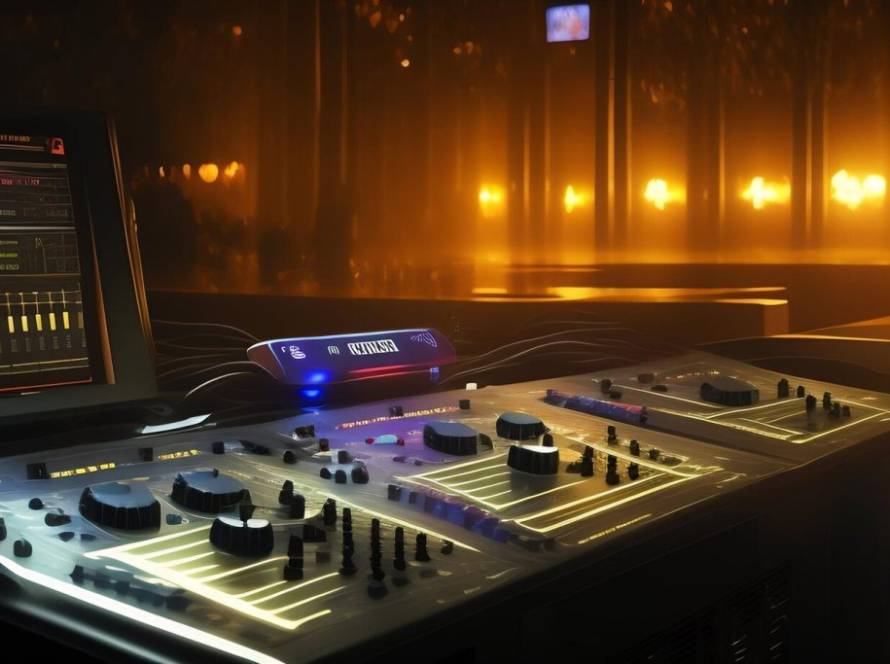
Contemporary businesses depend on effective communication and technology to engage in basic daily business activities. A professional AV installation ensures that audio, video, and control systems work perfectly from day one. The correct configuration enhances meetings, presentations, and interaction with customers without technological hitches. Working with a trusted audiovisual company such as Satin AVS helps businesses avoid common mistakes and get long-term value.
Proper Planning Before Installation
Every successful AV installation starts with detailed planning. It is significant to understand the space, business needs, and future goals prior to selecting equipment. A properly thought-out system will prevent the problem of performance and the future waste of money.
- Site analysis to know the room size and room layout.
- Selecting the suitable screens, speakers, and control systems.
- Layout and cabling network integration.
Having proper planning will make sure that the system is slotted ideally into the environment and will be efficient enough to be used on a daily basis. It also assists in expanding the setup of businesses when necessary.
Importance of Professional Setup and Integration
A professional AV installation is more than just placing screens and speakers. It entails proper wiring, integration of systems, and testing to see that all the systems integrate smoothly. Poor installation may cause sound display failure, as well as system failure.
Working with an experienced audiovisual company ensures that all components are connected properly and perform at their best. Works hand in hand with other systems like video conferencing, digital signage, and control panels, which simplify operations and make them efficient.
Maintenance and Long-Term Performance
The first step is the installation. Systems should be maintained frequently to ensure that they are operating well. Even the most perfect setup would experience problems in the long run unless correctly supported.
- Checking the system on a regular basis to avoid technical issues.
- Problem stimulation and rapid solution.
- Software enhancement and performance improvement.
Ongoing support also allows businesses to save time and ensure that there are no downtimes during meetings and presentations. This is particularly crucial to the companies that are rather dependent on the daily communication tools.
Maintenance and Long-Term Performance
A professional AV installation plays a key role in creating a reliable and efficient business environment. Since the whole process is about planning, setting up, and maintenance, all the steps are significant to attaining the most favorable outcomes. Choosing the right audiovisual company, such as Satin AVS, ensures smooth performance, better communication, and long-term value. Call in to receive professional AV solutions that suit your business requirements.
FAQs
Q: Is it possible for businesses to install AV systems?
Simple installations can be done, but professional installation will guarantee good performance and prevent expensive errors.
Q: What is the time taken during installation?
Time taken will be determined by the size of the project, but with timely planning, the installation will be completed without delays.
Q: Are AV systems maintained on a regular basis?
Yes, maintenance assists in avoiding problems and maintaining systems in good operation over time.
Q: What are some of the issues with inadequate installation?
Without the correct setup and integration, poor sound quality, display problems, and system failures are possible.
Q: Is upgrading AV systems possible in the future?
Today, the vast majority of systems are flexible and can be upgraded as the business requirements grow.
Q: How can businesses select the proper provider?
Look for experience, quality service, and support to satisfy an efficient and reliable process of installation.
Q: What is included in AV installation services?
It involves planning, setting up equipment, wiring, integrating systems, and testing to make sure that all things go well.